
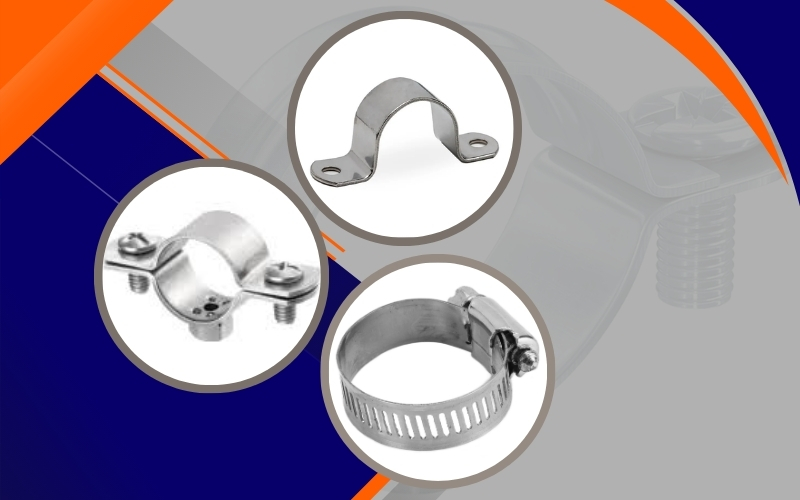
Pipe flanges are essential components in piping systems that connect pipes, valves, pumps, and other equipment. They provide easy access for cleaning, inspection, and modification of piping networks. Choosing the right type of pipe flange depends on several factors such as application type, pressure rating, temperature conditions, and material compatibility.In this blog, we’ll explore the different types of pipe flanges, their specific uses, and help you determine the best flange type for your application.
What is a Pipe Flange?
A pipe flange is a mechanical device used to connect pipes or join a pipe to a pressure vessel, valve, or pump. It provides a reliable and leak-proof seal using bolts and gaskets. Flanges are available in various sizes, materials (carbon steel, stainless steel, alloy steel), and standards (ANSI, DIN, BS, etc.).Why Choosing the Right Flange Matters
Selecting the correct flange is critical to ensure:
- Safe operation under pressure
- Resistance to corrosion or chemical attack
- Long-term durability in industrial environments
- Easy maintenance and repairs
Types of Pipe Flanges:
Let’s dive into the most commonly used types of pipe flanges.1. Weld Neck Flange (WN Flange)
Best for: High-pressure and high-temperature environments
Weld neck flanges have a long, tapered hub that gradually transitions into the pipe, making them ideal for critical applications such as oil & gas, power plants, and refineries. The smooth flow and stress distribution reduce the risk of turbulence and erosion.
Advantages:
- Excellent strength and durability
- Low stress concentration
- Suitable for extreme pressure and temperature
2. Slip-On Flange
Best for: Low-pressure applications and quick installations
Slip-on flanges are easy to align and install. They slide over the pipe and are welded on both the inner and outer sides. These flanges are cost-effective and used where the risk of leakage is low.
Advantages:
- Easy installation and alignment
- Cost-effective option
- Suitable for low-pressure piping systems
3. Blind Flange
Best for: Sealing the end of a piping system or vessel opening
Blind flanges have no bore and are used to close off pipelines, valves, or pressure vessels. They allow easy access for inspection or modification without cutting the pipe.
Advantages:
- Provides a leak-proof seal
- Used for pressure testing
- Allows future expansions
4. Socket Weld Flange
Best for: Small-sized high-pressure pipelines
Socket weld flanges are used for small-diameter, high-pressure piping. The pipe is inserted into the flange’s socket and then fillet welded around the top. They are widely used in chemical and petrochemical systems.
Advantages:
- Good fatigue resistance
- Smooth bore for minimal turbulence
- Ideal for small bore piping systems
5. Threaded Flange
Best for: Low-pressure and non-welded systems
Threaded flanges (screwed flanges) have a female thread that matches the male thread on the pipe. These are used in areas where welding is hazardous or not feasible, such as in explosive zones.
Advantages:
- No welding required
- Easy disassembly
- Suitable for explosive environments
6. Lap Joint Flange
Best for: Systems that require frequent dismantling
Lap joint flanges are used with a stub end, allowing rotation around the pipe. They are ideal for applications where alignment is difficult or regular disassembly is required.
Advantages:
- Easy alignment
- Reduces flange material cost
- Suitable for systems requiring frequent maintenance
7. Long Weld Neck Flange
Best for: Vessels, columns, and high-pressure systems
Unlike standard weld neck flanges, long weld neck flanges extend further and are commonly used in high-pressure, high-temperature systems like columns and heat exchangers.
Advantages:
- High structural integrity
- Ideal for pressure vessel applications
- Excellent stress handling
8. Orifice Flange
Best for: Flow measurement systems
Orifice flanges are specially designed to measure flow rates in piping systems. They have tapped holes for connecting instrumentation like pressure gauges or differential pressure transmitters.
Advantages:
- Accurate flow measurement
- Integrates with monitoring systems
- Compatible with various orifice plates
Factors to Consider When Choosing a Pipe Flange
When selecting the right pipe flange for your system, consider the following:
- Pressure and Temperature Ratings: Higher pressure/temperature requires stronger flanges, like weld neck or socket weld.
- Media Type: Corrosive chemicals or fluids demand stainless steel or alloy flanges.
- Connection Type: Welding, threading, or bolting affects installation time and safety.
- Maintenance Requirements: Choose flanges that allow easy disassembly if frequent maintenance is expected.
- Standards and Compliance: Ensure the flange meets ASME, ANSI, DIN, or other relevant standards for your region.
Common Industries That Use Pipe Flanges
- Oil and Gas
- Chemical and Petrochemical
- Power Generation
- Pharmaceutical
- Water Treatment Plants
- Marine and Offshore Engineering
These industries rely on selecting the correct flange to maintain efficiency, safety, and reliability in their operations.
Final Thoughts: Choosing the Right Pipe Flange
The right type of pipe flange can significantly enhance the performance and safety of your piping system. Whether you need a weld neck flange for high-pressure applications or a slip-on flange for economical installations, always assess your specific needs, environmental conditions, and long-term maintenance requirements.
Partnering with a trusted supplier or contractor ensures you get quality materials, technical guidance, and long-lasting performance.
Looking for high-quality industrial pipe flanges?
Choose a supplier that understands your project requirements and offers a complete range of industrial pipe supports, clamps, and flanges tailored to your needs.